 It’s the first week of July. The pool is open, the grill is going, and the absolute last thing on most people’s minds is school.
Except, apparently, the shoppers.
According to the National Retail Federation’s annual survey, 67% of back-to-school shoppers had already started buying for the school year by early July.
That was the highest early-start figure since NRF began tracking it in 2018, up from 55% the year before. Total K-12 back-to-school spending runs around $39 billion a year, and 82% of those shoppers’ purchases occur around July’s big sale events like Prime Day.
Here’s the disconnect: most sellers of educational products (study guides, student planners, teacher printables) create and list their back-to-school products in late August or September. The buyers show up in July. The sellers show up in September. Somebody’s leaving money on the table, and it isn’t the buyers.
This post is the fix: a week-by-week timeline for what to create, when to list it, and when to change gears, starting now.
Why September Is Too Late (Even Though It Feels Right)
September feels like the obvious time to sell school products. School is starting. It’s everywhere. Your own brain is in back-to-school mode.
But two forces work against the September seller.
First, the demand curve. Back-to-school buying builds through July, peaks in early to mid-August, and tapers off once school actually starts. By September, the bulk of the spending is done. You’re listening to the tail.
Second, and this is the one almost nobody accounts for: marketplace lag. A brand-new listing on Etsy or Amazon doesn’t perform on day one. It needs time to get indexed, collect its first views, favorites, and sales, and start climbing in search results. For most new listings, that ramp takes two to four weeks.
Put those together, and the rule writes itself: if demand peaks in early August, your listings need to be live by mid-July. Working backward, that means you’re creating products right now.
What to Create: Products That Ride This Wave
“Back-to-school” is broader than pencil cases. Digital and printable products do extremely well in this season because parents, teachers, and students all hit organizing mode at once. The strongest categories:

- Study guides and exam prep. The sleeper hit of the season, because demand doesn’t end when school starts; it runs through midterms and finals. I’ve written before about why study guides are one of the most underserved content niches out there.
- Student planners and homework trackers. Weekly planners, assignment logs, reading trackers, and grade calculators.
- Teacher printables. Classroom decor, behavior charts, lesson planning templates, and parent-communication forms. Teachers prep classrooms in July and often spend their own money doing it. Social-emotional learning resources fit here, too; here’s a step-by-step guide to creating SEL printables for kids.
- Homeschool resources. Curriculum planners, attendance logs, and unit study templates. Homeschool families plan their year in the summer.
- College and dorm products. Dorm checklists, first-apartment budget trackers, simple meal planners. Back-to-college spending per household actually runs higher than K-12 spending, and it’s the segment that printable sellers ignore completely.
Your Week-by-Week Timeline
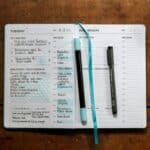
- Week 1 (right now, early July): pick and validate. Choose one or two product ideas, not five. Search your marketplace for them. Look at what’s ranking: how many reviews do the top listings have? What do the 1- and 2-star reviews complain about? Those complaints are your product spec. You’re looking for proof that people buy this, plus a gap you can fill.
- Week 2 (mid-July): create and list. Done beats perfect here, because every day unlisted is ramp time lost. AI tools can compress the heavy lifting: drafting study guide content, generating practice questions, and building planner page variations. Write your titles and tags around real buyer phrases (“high school chemistry study guide,” “homeschool planner 2026-2027”), not clever names.
- Week 3 (late July): expand and seed promotion. Add variations of whatever got early traction: different grade levels, subjects, color schemes. Start pinning to Pinterest now; pins take weeks to circulate in search, so July pins surface during August buying.
- Weeks 4-6 (August): optimize into the peak. Check which search terms are driving traffic and adjust titles and tags to match them. Bundle related products (planner + tracker + checklist) at a small discount. This is the harvest window; small listing tweaks matter more now than new products.
- Late August to early September: catch the tail, then pivot. College buyers and procrastinators are still shopping. Keep listings active, but shift your creation energy to the next season. Fall and holiday products follow the exact same early-bird logic; if you want a head start on ideas, here are seven creative seasonal printables to make and sell.
Mistakes That Eat the Season
- Launching one product instead of a small cluster. Three related listings cross-promote each other and triple your chances of one catching search traction.
- Ignoring the college market. Less competition, higher per-household spending, same season.
- Quitting on September 1. Study guides and academic planners sell into December. The back-to-school spike is the start of their season, not the whole thing.
- Treating it as one-and-done. Everything you build now relists next June with minor updates. Seasonal products compound; the second year is always easier than the first.
Where to Go From Here
If one category on this list deserves your July attention, it’s study guides. The demand is enormous and recurring, the competition is thinner than in planners, and the season you’d be catching right now extends all the way to final exams.
I put together a complete system for this: AI Study Guide Publishing Bonanza shows you how to create in-demand study guides with AI doing most of the work, including the niches buyers are actively searching for and the formats that sell. If you want product listings live before the August peak, it’s the fastest route I know.
The sellers who win seasonal markets aren’t more talented. They just read a calendar differently. The buyers told us when they show up: early July, two-thirds of them, year after year.
Be there when they arrive.